
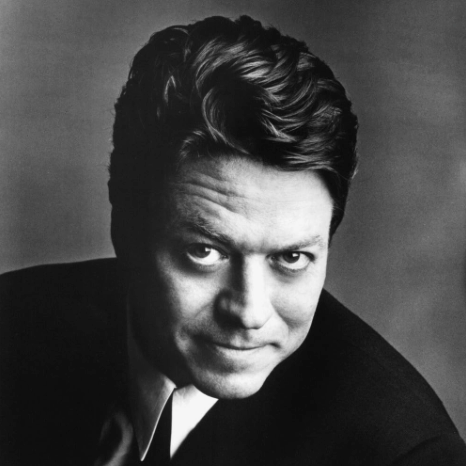
Robert Palmer
- 19 January 1949
-
- 26 March 2003
- London, Greater London, England, United Kingdom
In Memoriam: Robert Palmer (1949 – 2003)
Robert Palmer, the stylish, soulful English singer-songwriter known for his distinctive voice and genre-blending career, was born on 19 January 1949 and passed away suddenly on 26 September 2003, aged 54. Renowned for hits such as Addicted to Love, Simply Irresistible, and Bad Case of Loving You, Palmer combined elegance, versatility, and musical curiosity, earning him both critical acclaim and lasting popular appeal.
Early Life and Influences
Robert Allen Palmer was born in Batley, Yorkshire, and spent part of his childhood in Malta, where his father was stationed with the Royal Navy. His exposure to diverse musical styles from an early age—jazz, blues, soul, and rock and roll—would shape his lifelong interest in exploring different sounds.
Returning to England as a teenager, Palmer attended Scarborough High School for Boys. He soon immersed himself in the vibrant local music scene, singing with bands and honing the distinctive voice that would carry him to international stardom.
Early Career
Palmer’s first significant break came in the late 1960s as a member of The Alan Bown Set, where his vocal talent gained attention. He later joined Dada, a jazz-rock fusion group, which evolved into Vinegar Joe alongside Elkie Brooks. Their raw, energetic performances and Palmer’s striking voice brought modest success, but by the mid-1970s he embarked on a solo career.
Solo Success
Palmer’s debut solo album, Sneakin’ Sally Through the Alley (1974), recorded in New Orleans with members of The Meters and Little Feat, showcased his love of funk and R&B. Subsequent albums, including Pressure Drop (1975) and Double Fun (1978), reinforced his reputation as a versatile and adventurous artist.
The late 1970s and early 1980s saw Palmer balance funk, reggae, rock, and electronic influences, with albums like Secrets (1979) and Clues (1980). His hit Johnny and Mary became especially popular in Europe, displaying his gift for understated yet emotional performances.
Global Stardom
In the mid-1980s, Palmer achieved international fame with the release of Riptide (1985), featuring the iconic single “Addicted to Love.” The song’s memorable music video—with Palmer fronting a band of identically dressed, expressionless female models—became a defining image of MTV’s early years.
Other hits followed, including “I Didn’t Mean to Turn You On” and “Simply Irresistible”, cementing his place as a global star. His smooth blend of rock and soul, combined with his sharp sense of style, earned him critical and commercial success, as well as two Grammy Awards for Best Male Rock Vocal Performance.
The Power Station and Collaborations
Beyond his solo career, Palmer collaborated with members of Duran Duran and drummer Tony Thompson to form The Power Station in 1985. Their self-titled album, featuring Some Like It Hot and a cover of Get It On (Bang a Gong), expanded Palmer’s reach and reinforced his adaptability across genres.
Later Career
In the 1990s, Palmer continued to record and perform, releasing albums such as Don’t Explain (1990), Honey (1994), and Drive (2003), which reflected his deep love for blues and soul. Though his commercial peak had passed, he remained respected for his artistry and refusal to compromise his musical interests.
Personal Life and Passing
Palmer was known for his immaculate style, charm, and privacy. He divided much of his later life between Switzerland, the Bahamas, and Paris. On 26 September 2003, while in Paris, he died suddenly of a heart attack at the age of 54. His untimely death shocked fans worldwide and brought tributes from across the music industry.
Legacy
Robert Palmer left behind a body of work that defied easy categorisation. His ability to move effortlessly between rock, soul, funk, jazz, and pop marked him as a true musical chameleon. His distinctive voice, elegant persona, and unforgettable hits continue to resonate, while his videos remain enduring symbols of the 1980s.
Final Reflection
Robert Palmer (1949 – 2003): singer, songwriter, collaborator, and style icon. A performer of sophistication and substance, he will be remembered for his artistry, versatility, and the timeless quality of his music. Though his life was cut short, his songs remain a soundtrack to countless lives, ensuring that his influence endures.
Memorable Videos
- Final Resting